Spray foam removal in Cambridge
Spray foam taken off the underside of your roof and out of the loft, with the loft reinsulated afterwards.
Free quote, no pressure, from a team with over 20 years in the trade.
Get a free quoteCall 01223 297 866Spray foam insulation removal is taking sprayed foam off the underside of a roof and clearing it from the loft. We do this for homeowners across Cambridge, and once the timbers are clear we can reinsulate so the house is not left cold. People usually ask for it after a surveyor or a lender has raised the foam.
Why spray foam causes problems
RICS, the professional body for surveyors, says spray foam covers the roof timbers so they cannot be fully inspected, that a leak behind it may go unnoticed and lead to rot, and that the foam can seal moisture into the roof. It also says lenders have their own policies and a surveyor may ask for a specialist report (RICS consumer guide, checked November 2026).
Modelling published by the Building Safety Regulator in March 2024 found the moisture risk depends on the foam and the roof. It was lowest for open cell foam applied in line with BS 5250 and highest where foam was sprayed straight onto the back of the roof covering (checked November 2026).
What removal involves
We take the foam off the underside of the roof and clear it out of the loft. RICS notes that removal can damage the existing structure (checked November 2026), so it is careful work, and we look at the roof before we quote so you know what to expect.
Open cell foam. The softer, lighter type. Business Companion, the Chartered Trading Standards Institute's guide, describes it as more flexible and moisture permeable (checked November 2026).
Closed cell foam. The denser, harder type. The same guide says it insulates better and resists moisture better, and it tends to hold tight to what it was sprayed on.
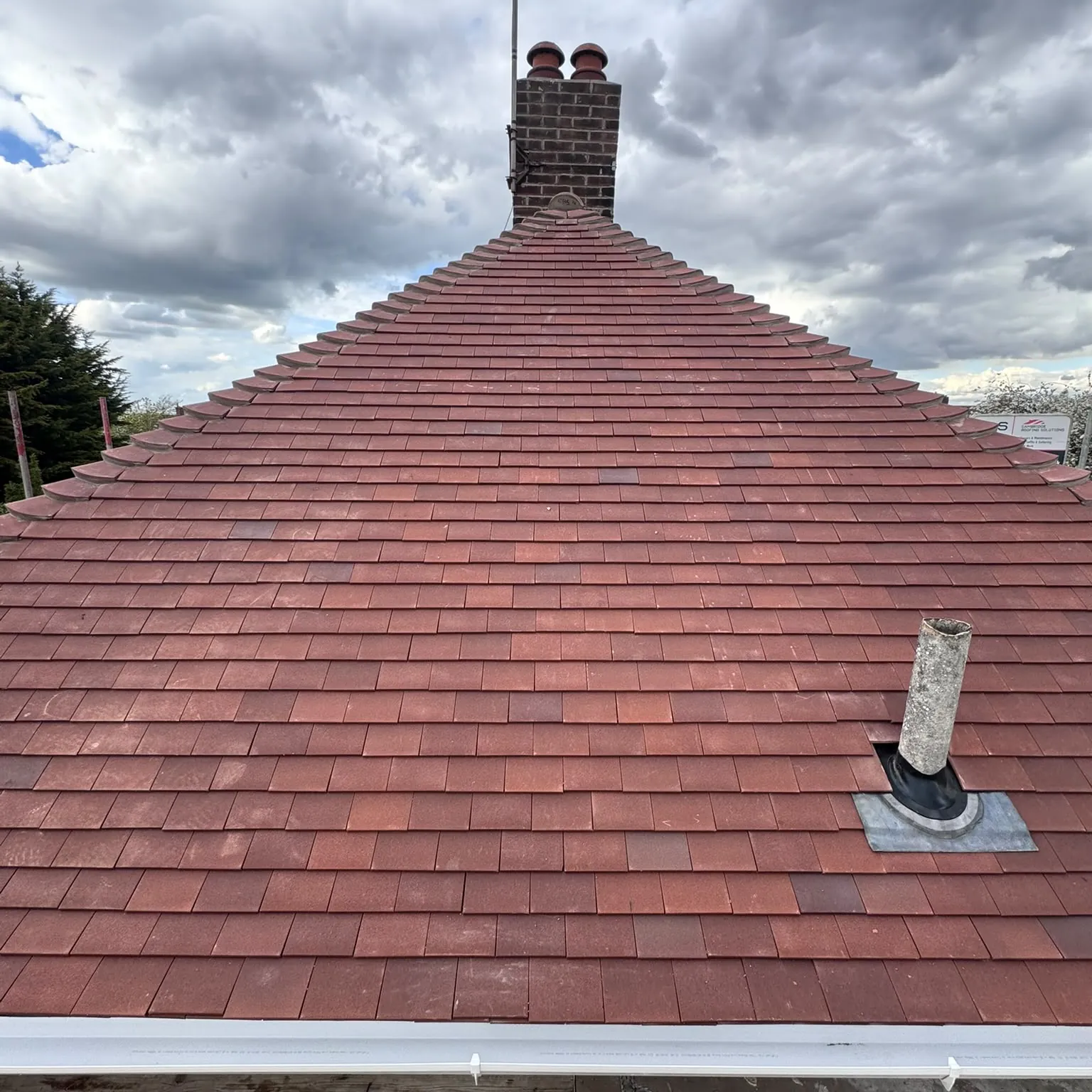
Foam on the back of tiles or slates. Where foam was sprayed straight onto the roof covering, we look at the tiles or slates from outside as well as from the loft.
From first look to a clear loft
The job follows the same order whatever type of foam is in the roof.
Loft check. We look at the foam, the roof from outside and the loft access, and tell you what the job involves.
Foam out. The foam comes off the rafters and the underside of the roof and is bagged and taken out of the loft.
Timbers on show. With the foam gone, you can see the rafters and the roof covering again and decide on any repairs.
Reinsulate. If you want it, we reinsulate the loft once it is clear.
Reinsulating the loft
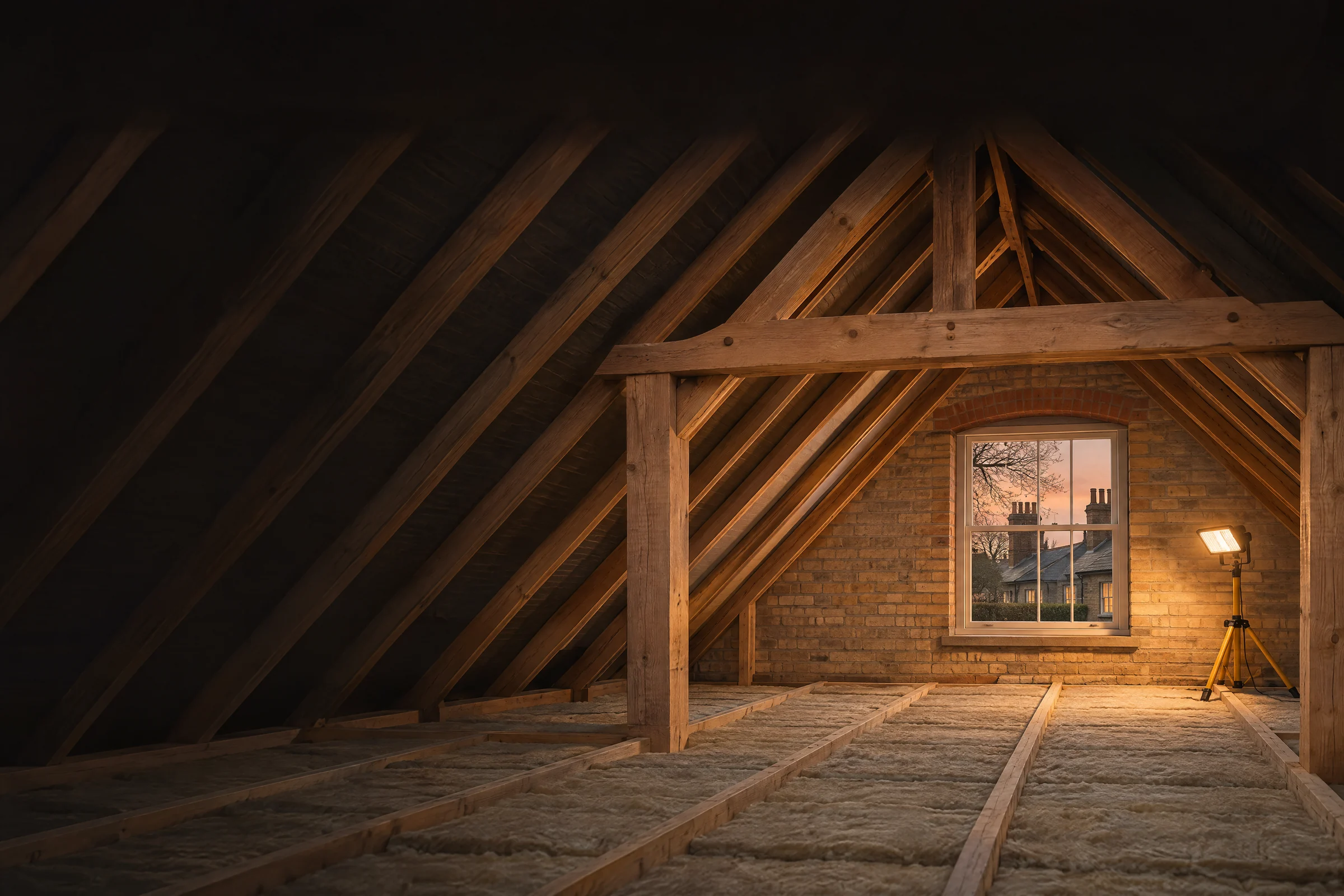
Taking the foam out leaves the roof without insulation, so we can put insulation back once the loft is clear. Which insulation goes in, and where, depends on the roof and how you use the loft, and we set it out in the quote.
RICS describes a traditional ventilated loft as the way moisture is managed in a roof space (checked November 2026), which is why ventilation is part of the conversation when we plan loft insulation in a Cambridge house after foam has come out.
Spray foam in Cambridge homes
Spray foam was sold to owners of all kinds of houses, and in Cambridge that includes slate roofed Victorian terraces in Romsey and Petersfield, many with no underlay at all, and 1930s tiled semis in Cherry Hinton whose original felt had perished. On roofs like these the foam was often sprayed straight onto the back of the slates or tiles, the case the Building Safety Regulator modelling found carried the most moisture risk. If you are selling or remortgaging, tell your conveyancer and surveyor what has been done.
Questions we are asked most
Will removing spray foam get my mortgage approved?
We cannot promise that, and nobody can. RICS says each lender has its own policy on spray foam and a surveyor may ask for a specialist report (checked November 2026). Removal deals with the foam itself, but whether a lender is satisfied is the lender's decision. Ask your lender or broker what they want to see before you book the work.
Can spray foam come off without damaging the roof?
It has to be done with care. RICS says removal could damage the existing structure (checked November 2026), especially where foam is stuck to old timbers or to the back of slates. We look at the roof first and tell you what we expect to find. Once the foam is off you can see the timbers and decide on any repairs.
What is the difference between open cell and closed cell foam?
Open cell foam is softer, lighter and lets moisture through. Closed cell foam is denser, insulates better and resists moisture better. That is how Business Companion, the Chartered Trading Standards Institute's guide, describes them (checked November 2026). We check which type you have on the visit, because it affects how the job goes.
Do I have to remove spray foam insulation?
There is no single rule. RICS says lenders have their own policies and surveyors may ask for an independent specialist report on the foam (checked November 2026). Some owners remove it so the timbers can be seen, others because of damp or ahead of a sale. If you are unsure, ask your lender or get the specialist report first, then decide.